You know that moment when you’re late for a virtual meeting, toddler on your hip, coffee spilling—and you can’t remember your login? I’ve been there. What felt like a small daily frustration was actually stealing my focus, my time, even my confidence. Then I tried something simple: a password manager. It didn’t just fix logins—it reshaped how I show up in my life. This is not about tech. It’s about reclaiming space to breathe. It’s about waking up without that low hum of digital anxiety, about being fully present with your family instead of mentally scrolling through passwords. This is the story of how one small tool gave me back something priceless: peace of mind.
The Daily Chaos: When Passwords Take Over Your Life
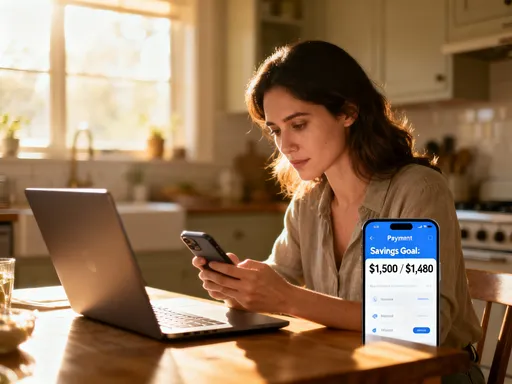
Let’s be honest—none of us signed up for this. We didn’t expect motherhood, careers, home management, and personal growth to all come with a side of digital chaos. But here we are, juggling passwords like they’re part of the job description. Remember last week when you tried to order groceries online while your youngest was melting down over mismatched socks? You finally get a quiet moment, open the app, and—oh no—“Password incorrect.” You try the one you use for everything. Nope. You click “Forgot password?” and then spend ten minutes checking your email, answering security questions, and wondering if “mother’s maiden name” is still safe to use. By the time you’re in, the cart has expired, the kids are hungry, and you’re fighting back tears.
This isn’t just inconvenient. It’s exhausting. And it happens multiple times a day. Logging into the school portal. Accessing your bank. Booking a dentist appointment. Renewing the streaming subscription your kids have been begging about. Each login is a tiny decision, a micro-stressor. But when you add them up, they form a constant background noise in your brain. It’s not just about forgetting a password—it’s about the toll it takes on your mental space. You start to feel scattered, less capable, like you’re always one step behind. And the worst part? We’ve normalized it. We laugh it off with friends—“Ugh, I forgot my password again!”—but underneath, there’s real frustration. We’re carrying this invisible weight, and it’s time to put it down.
I used to keep passwords on sticky notes. I know, I know—security 101 says not to. But when you’re in survival mode, you do what works. I had a little yellow square on my laptop with “Netflix: mom123,” another on the fridge for the Wi-Fi, and a crumpled piece of paper in my wallet for online banking. It felt chaotic. And when my sister came over and saw it, she didn’t judge—she just said, “You know there’s an easier way, right?” That moment stuck with me. Because she wasn’t talking about tech. She was talking about freedom.
A Tiny Tool, A Big Shift: Discovering the Password Manager
Her recommendation was simple: try a password manager. I rolled my eyes at first. “Another app?” I thought. “Great, now I have to learn one more thing.” I pictured something complicated, full of settings and jargon, another thing to manage. But she insisted it was easy. “It’s like having a digital assistant for your passwords,” she said. “One thing to remember, and it handles the rest.” I was skeptical. What if it got hacked? What if I lost access? What if it made everything worse?
But I was tired—tired of the chaos, tired of the mental load, tired of feeling like I was barely keeping up. So I downloaded one that’s widely used and trusted. The setup took less than ten minutes. I created a strong master password—something I could remember but no one else would guess—and the app started filling in my logins automatically. The first time it autofilled my email password, I actually laughed out loud. It felt like magic. Like someone had quietly lifted a backpack full of bricks off my shoulders. I didn’t have to think. I didn’t have to search. It just worked.
That night, I showed my husband. He was just as amazed. We sat together, logging into accounts we hadn’t touched in months. No more shouting across the house, “Hey, what’s the password for the electric bill?” No more guessing. And for the first time in years, I felt in control. Not because I had memorized every password—but because I didn’t have to. The tool wasn’t replacing me. It was supporting me. It was like hiring a tiny, invisible helper who never sleeps, never judges, and always shows up on time.
How It Works—Without the Jargon
I know what you’re thinking: “But is it safe?” That was my biggest worry too. Let me break it down in plain English. A password manager is like a secure vault for all your passwords. Everything is locked behind one strong master password—your key to the vault. The app doesn’t store your data on its servers in a way that anyone can read. Even if someone got access, your information is protected by encryption, which means it’s scrambled beyond recognition. Think of it like sending a letter in a locked box. Only you have the key.
And here’s the best part: the app generates strong, unique passwords for every site. No more “password123” or using your pet’s name. It creates long, random combinations that are nearly impossible to guess. You don’t have to remember them—just let the app fill them in for you. It works on your phone, your laptop, your tablet. You log in once in the morning, and the rest of the day, it’s smooth sailing. If you switch devices, it syncs securely. If you’re on a public network, it still keeps your data safe. It’s not flashy. It’s not loud. It’s just there, doing its job.
I used to think, “What if I forget the master password?” Fair question. But here’s the thing: you only have one to remember. And you can store recovery options in a safe place—like a locked drawer or a trusted family member. Most apps also offer two-factor authentication, which means even if someone gets your master password, they’d need a second step—like a code from your phone—to get in. It’s like having a deadbolt on top of your front door. Is it 100% foolproof? Nothing is. But it’s far safer than sticky notes, reused passwords, or writing them in a notebook that could get lost.
Reclaiming Personal Space: Less Mental Noise, More Clarity
Here’s what surprised me the most: the emotional shift. It wasn’t just about saving time. It was about gaining mental space. I used to walk around with a low-level anxiety—“Did I log out? Did I use the right password? Is my account safe?” Now, that noise is gone. I don’t waste brainpower trying to recall if I used my birthday or my anniversary for that one account. I don’t stress when a site forces a password reset. The app handles it all.
And that space? I’ve filled it with things that matter. Like actually enjoying my morning coffee instead of rushing to check emails. Like being fully present during my daughter’s piano recital, not half-listening while I try to remember how to log into the school’s photo gallery. Like having the mental clarity to start that online course I’ve been putting off for months. I feel calmer. More focused. More like myself. It’s not that my life is easier—my responsibilities haven’t changed. But my relationship with them has. I’m not fighting against the tools I use every day. I’m working with them.
And let’s talk about confidence. There’s something empowering about knowing your digital life is organized and secure. You don’t feel behind. You don’t feel overwhelmed. You feel capable. I used to avoid certain tasks—like managing investments or researching health plans—because the login process felt like a barrier. Now, I dive in. I explore. I make decisions. Because the friction is gone. And that, my friend, is freedom.
Strengthening Trust in Relationships
One unexpected benefit? It’s brought my husband and me closer. We used to have little moments of tension around passwords. “Why didn’t you tell me the Netflix password changed?” “I thought you had the insurance login.” It seemed small, but over time, it added up to a sense of disconnection. We weren’t on the same page. And asking for a password could feel like a burden—like you were interrupting someone’s flow.
Now, we share access securely through the app. We can both log into household accounts—utilities, streaming services, travel bookings—without asking, without guessing, without stress. It’s not about surveillance. It’s about partnership. We’re a team, and this tool helps us function like one. I remember one night during a storm, the internet went out. My husband needed to check if the provider had an outage notice, but he couldn’t log in. I pulled up the app on my phone, shared the login instantly, and he was in. No frustration. No blame. Just support.
And it’s not just practical—it’s emotional. When you remove small sources of friction, you make room for connection. We laugh more. We communicate better. We feel like we’re in it together. That tiny change—a shared, secure way to manage logins—has strengthened our trust. It’s a small thing, but in a long-term relationship, small things matter. They build the foundation of peace and partnership.
Raising Kids in a Digital World—Safely
Now that my kids are older, they’re online more than ever. School portals, extracurricular sign-ups, social apps. I want them to be independent, but I also want them to be safe. The password manager has become a parenting tool. I helped my daughter set up her first email account for school. Instead of her writing down the password or using something weak, I showed her how the app works. She has her own vault, with my guidance. I can help her generate strong passwords, and she learns to trust the tool, not her memory.
It’s also helped me manage screen time and safety settings. Some apps let you integrate with family plans, so I can monitor for risky sites or enforce safe browsing without being intrusive. It’s not about spying. It’s about teaching responsibility. I talk to my kids about digital safety the same way I talk about locking the front door or wearing a seatbelt. The password manager is part of that conversation. It’s a way to say, “Your information matters. Your privacy matters. And there are tools to protect both.”
Last week, my son had to submit a project through his school’s learning platform. He logged in smoothly, no help needed. I watched him from the kitchen, proud not just that he could do it, but that he was doing it safely. He didn’t reuse passwords. He didn’t write anything down. He used the tool we’d taught him. That moment filled me with peace. I’m not just raising kids who can navigate the digital world—I’m raising kids who can do it with confidence and care.
Living Lighter: The Ripple Effect of One Small Change
When I started, I thought this was about passwords. I was wrong. It was about peace. It was about creating a life with less friction and more flow. That one small change—a simple app—has rippled through everything. I have more time. More focus. More emotional bandwidth. I’m not perfect. I still spill coffee. I still lose my keys. But I don’t lose sleep over logins anymore.
And here’s what I’ve learned: we don’t need big overhauls to feel better. We need small, intentional choices that support us. Technology doesn’t have to be overwhelming. It can be a quiet helper, a backstage supporter in the life we’re building. This isn’t about being tech-savvy. It’s about being kind to yourself. It’s about saying, “I deserve to move through my day with ease.”
So if you’re still juggling sticky notes, reusing passwords, or feeling that daily pinch of digital stress—know this: there’s a better way. You don’t have to do it all alone. You don’t have to remember it all. You can let go. And in that release, you might just find the space to breathe, to connect, to be the calm, confident woman you’ve always wanted to be. Because peace isn’t found in perfection. It’s found in simplicity. And sometimes, it starts with a single app.