You know that knot in your stomach when your mom calls, asking if it’s really “normal” to enter her bank details on a pop-up? I’ve been there. With discounts flashing everywhere, it’s easy for seniors to click the wrong link. But what if technology could protect them—quietly, kindly, without slowing down their independence? I discovered a simple way to help my parents enjoy online deals while staying safe. It’s not about blocking everything—it’s about smarter, gentler protection. And it’s changed how we all feel about the digital world, especially during those late-night shopping sprees or holiday bargain hunts.
The Moment Everything Changed
It was a quiet Tuesday afternoon when my phone rang. My dad’s voice was calm, but something in the background—a faint ticking sound—made me pause. He was on a website offering a “limited-time” air purifier, 70% off, with only three units left. The timer was counting down. He had already filled in his credit card number and was about to click “Buy Now.” Something felt off, so I asked him to share his screen. Within seconds, I saw it: the URL didn’t match the brand, the reviews were copied from another site, and the company had no physical address. I gently stopped him. He wasn’t embarrassed—he was relieved. “I just thought it was a good deal,” he said. And that’s when it hit me: this wasn’t about being careful. It was about a system that preys on trust, urgency, and the desire to save.
That moment changed how I saw online safety for older adults. My dad is sharp, responsible, and tech-savvy for his age. He uses video calls, checks his bank balance online, and even books travel. But like so many seniors, he’s not trained to spot the subtle signs of a scam. Fake urgency, misleading design, and emotionally charged offers—these are tools scammers use to bypass logic and trigger impulse. I realized that no amount of “be careful” lectures would keep him safe. What he needed wasn’t more rules. He needed a digital companion—a quiet helper that could spot danger before he did.
So I started researching. Not just antivirus software or pop-up blockers, but tools designed specifically for real-time, human-centered protection. I wanted something that didn’t assume ignorance, but instead respected experience. Something that wouldn’t shame, but support. And I found it—not in a flashy ad, but in a simple alert system that works in the background, like a co-pilot for online shopping. It didn’t take over. It just stepped in at the right moment, with the right words. That’s when I knew: technology could be kind. And it could keep my family safe without making them feel small.
Why Seniors Are Targeted (And Why It’s Not Their Fault)
Let’s be honest: the internet wasn’t built for older adults. It moves fast, changes constantly, and rewards speed over caution. But that doesn’t mean seniors are foolish for falling for scams. In fact, they’re often targeted *because* they’re trustworthy, patient, and value good deals. Many grew up in a world where a logo meant quality, a phone number meant legitimacy, and a “limited offer” was rare and special. Now, those same cues are weaponized by scammers who design fake websites to look official, use real-sounding names, and create fake urgency with countdown timers and stock counters.
I’ve watched my mom fall for this more than once. She’s not careless—she’s enthusiastic. She loves finding a bargain, especially for things her grandchildren might need. When she shows me a “great deal” on baby clothes or gardening tools, her eyes light up. She feels proud, capable, and connected. But sometimes, the site is a clone of a real brand, or the payment page asks for information it shouldn’t. When I point it out, she doesn’t get angry. She gets confused. “But it looked so real,” she says. And she’s right—it *was* designed to look real. That’s the problem.
Another factor is loneliness. Many older adults spend more time online now, especially if they live alone or have limited mobility. Browsing deals, joining online groups, or clicking on “free gift” offers gives them a sense of connection and activity. Scammers know this. They use emotional triggers—“You’ve been selected!” or “Only for seniors!”—to create a feeling of inclusion and urgency. It’s not just about money. It’s about feeling seen. So when we tell seniors to “just be careful,” we’re asking them to ignore not just a link, but a feeling. And that’s a lot harder.
The solution isn’t to limit their access or treat them like children. It’s to give them tools that understand their habits and emotions. Real-time alerts that don’t block, but guide. Systems that recognize when a deal is too good to be true, when a URL doesn’t match the brand, or when a form asks for sensitive information like Social Security numbers. These aren’t restrictions—they’re reminders. And they work best when they feel like help, not judgment.
The Tech That Works Like a Trusted Friend
I tested a lot of apps and browser tools before I found the right fit. Some were too strict, blocking every unfamiliar site. Others were too vague, offering generic warnings that were easy to ignore. What I wanted was something that felt like a conversation—a quiet voice saying, “Hey, let’s double-check this.” And I found it in a privacy-focused browser extension that analyzes links in real time. It doesn’t stop you. It just asks a question at the right moment.
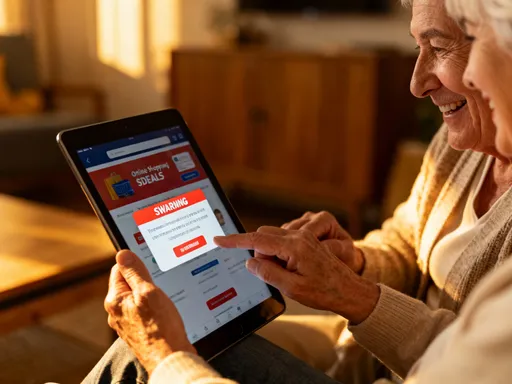
Here’s how it works: when my mom clicks on a deal from an email or text, the tool scans the link before the page loads. It checks the domain, compares it to known scam patterns, and looks for red flags like mismatched branding or suspicious payment requests. If something’s off, it pops up a gentle alert—no alarms, no scary messages. Just a simple note: “This site asks for your ID number. Most legitimate stores don’t ask for this. Want to pause and check?” That pause is everything. It breaks the impulse, creates space for thought, and gives her a chance to call me or look deeper.
One evening, she got a message about a “senior-exclusive” discount on prescription drugs. The offer looked official, with a logo and a toll-free number. She was about to enter her Medicare details when the alert appeared: “This site is not verified. It may collect your personal information. Proceed with caution.” She didn’t panic. She didn’t feel stupid. She just closed the tab and texted me: “Is this real?” That moment was a win. Not because the tech worked—but because she felt empowered. She didn’t need me to fix it. She just needed a little nudge to trust her own instincts.
The best part? The tool learns over time. It adapts to her browsing habits, so it doesn’t flag her favorite gardening store or the library’s event page. It only speaks up when something feels wrong. It’s not a guard. It’s a guide. And for my parents, that difference matters. They don’t feel watched. They feel protected.
Setting It Up Without the Stress
I’ll admit, I was nervous about introducing this to my parents. I didn’t want them to think I was treating them like children or implying they couldn’t handle technology. So I framed it differently. Instead of saying, “You need this because you’re at risk,” I said, “I found a cool tool that helps me stay safe online. Want to try it together?” We made it a project—something we did during our weekly video call. I shared my screen, walked them through the steps, and let them ask questions.
The setup took less than 20 minutes. We started with their tablet, which they use most for shopping and emails. I helped them install a browser extension that works on Safari and Chrome. It’s lightweight, doesn’t slow down the device, and doesn’t collect data. Then, we turned on scam filtering in their email and text apps. Most smartphones now have built-in features that flag suspicious messages—Apple’s iOS and Android both offer this. We just made sure it was enabled. Finally, we added a password manager to help them create strong, unique passwords for each site. This isn’t just about scams—it’s about overall security.
The key was making it feel normal. We didn’t treat it as a “fix.” We treated it as an upgrade—like adding a new app for recipes or weather. I showed them how the alerts look, how to read them, and what to do if one appears. We practiced with a fake link I created (safely, in a test environment). They learned to recognize the tone of the message—not scary, not shaming, just helpful. And most importantly, they knew they could always call me if they weren’t sure.
Now, when an alert pops up, they don’t feel frustrated. They feel informed. My dad even jokes, “Let’s see what the robot thinks.” It’s become part of their routine, not a restriction. And that’s the goal—not to take control, but to share it.
Balancing Freedom and Safety
Independence is everything. My parents don’t want to be micromanaged. They don’t want someone looking over their shoulder every time they click a link. And they shouldn’t have to. The best safety tools don’t take away freedom—they protect it. That’s why I chose systems that guide, not block. Instead of stopping a purchase, the alert says, “This deal might not be safe. Want to check with someone first?” And then it offers a one-tap button to call me or my sister.
This small feature changed everything. It gives them control. They can still click “Proceed” if they want to—but now, they have a moment to pause, reflect, and reach out if needed. It’s not about stopping them. It’s about giving them a safety net. I remember one time, my mom found a “free trial” for a skincare product. The alert came up, and she hesitated. Instead of ignoring it, she tapped the button and called me. We looked at the site together, read the fine print, and realized it was a subscription trap. She closed it with a smile. “Glad I called,” she said. That moment wasn’t about fear. It was about connection.
Another feature I love is the “trusted sites” list. Once they’ve safely used a site a few times, the tool learns to trust it. So their favorite stores—like the one for birdseed or the local bookstore—aren’t flagged. It reduces false alarms, which builds trust in the system. They’re more likely to listen to a warning if it doesn’t cry wolf.
And here’s the truth: they still shop online. My dad books train tickets, my mom buys plants, and they both love finding deals. But now, they do it with confidence. The tech doesn’t replace their judgment. It supports it. And that’s the kind of safety that lasts.
Privacy That Protects, Not Invades
I was worried at first—would these tools spy on their data? Would they sell their browsing history or show targeted ads? I dug into the privacy policies, checked independent reviews, and even reached out to the developers. The tools I chose use on-device processing, which means the analysis happens right on their phone or tablet. No data is sent to external servers. No tracking. No ads. It’s like having a guard dog that stays in the yard—it watches for danger but doesn’t follow you inside.
I explained this to my parents in simple terms: “It watches the door, not the living room.” They appreciated that. My mom said, “I don’t mind a little help, as long as it’s not listening to my conversations.” And it’s not. These tools don’t access messages, photos, or personal files. They only analyze links and websites in real time, then delete the data immediately. It’s privacy by design.
We also turned off unnecessary permissions. The app doesn’t need access to their contacts, camera, or microphone. It only needs permission to scan links in the browser and messages. And we set it to ask before making any changes. This gives them control. They’re not handing over their device to an algorithm. They’re adding a helper.
Respecting privacy isn’t just about security—it’s about dignity. My parents want to feel safe, but they also want to feel trusted. By choosing tools that protect without invading, we’ve kept that balance. They know their data is theirs. And that peace of mind is priceless.
A Smarter, Kinder Way to Care
This journey wasn’t just about avoiding scams. It was about peace of mind—for them and for me. I no longer dread the phone call that starts with, “I think I made a mistake online.” I know they have a quiet helper watching their back. And when they find a great deal on garden tools or book a discounted trip, I don’t worry. I celebrate with them.
Technology doesn’t have to be cold or complicated. At its best, it’s a quiet act of love. It’s the digital version of holding someone’s hand while they cross the street—not taking over, just being there. These tools don’t replace family. They support it. They let care show up as a gentle alert, a shared moment, a conversation that starts with, “Let me check this with you.”
In a world full of noise, the best protection isn’t a loud warning. It’s a whisper at the right time. It’s knowing that you’re not alone, even when you’re shopping late at night or clicking on a tempting offer. It’s the freedom to explore, to save, to enjoy—without fear.
And for me, it’s one less thing to worry about. I can focus on what really matters: staying close, sharing laughs, and knowing that my parents are safe—not because they’re perfect, but because they have a little help. That’s the future I want. Not a world where we fear technology, but one where it helps us love each other better.